

Skin Pigmentation Treatment: Procedure
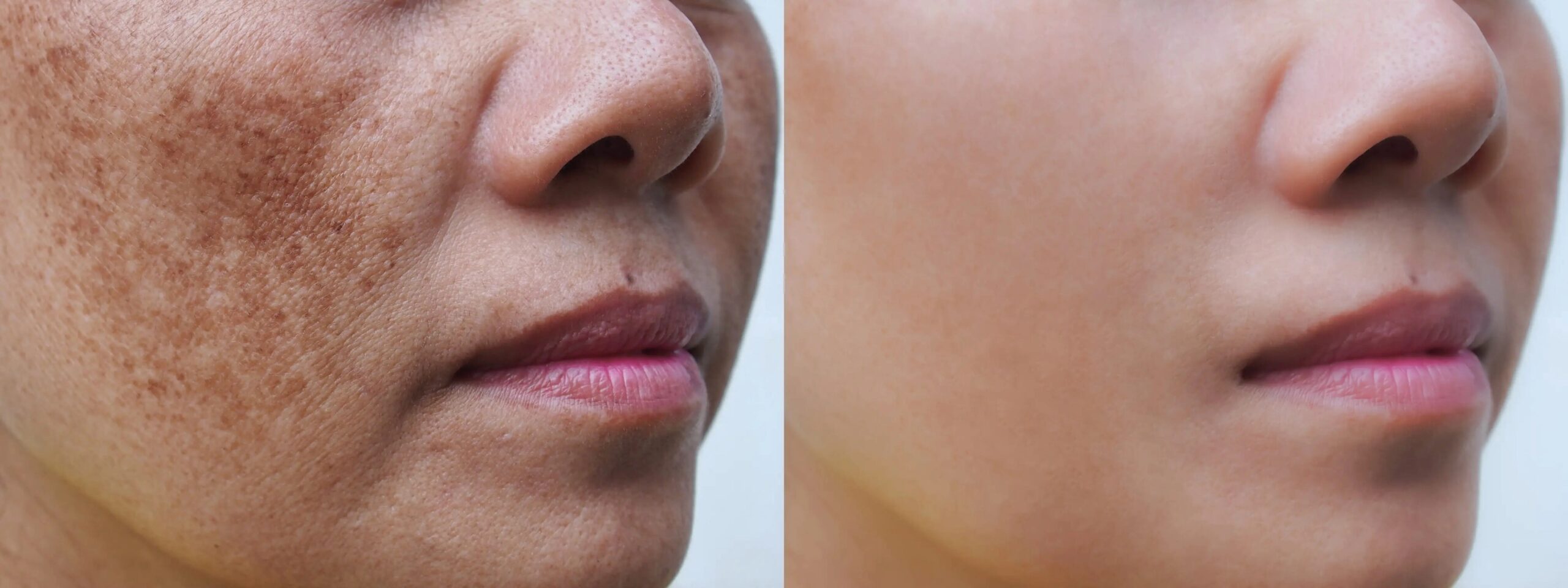
Understanding Skin Pigmentation
Skin pigmentation issues are everywhere these days. Dark spots, uneven tone, melasma, sunspots—you name it. It’s the little stuff on your face that makes you second-guess your appearance.
Your skin color comes from melanin; that’s a pigment made by cells called melanocytes. Crazy thing, there are more than 150 genes behind your skin tone. When melanin goes off-balance, you get those annoying spots and patches.
It usually breaks down like this:
Hyperpigmentation means you’ve got too much melanin—so those dark patches pop up.
Hypopigmentation is the opposite; not enough melanin, so your skin is lighter in some areas.
SM SCAN—Cosmetology & Diagnostic Center Kerala—takes care of it. Their advanced treatments actually help bring your skin back to its natural tone, and they do it safely.
What Causes Skin Pigmentation?
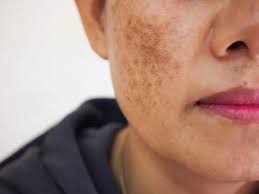
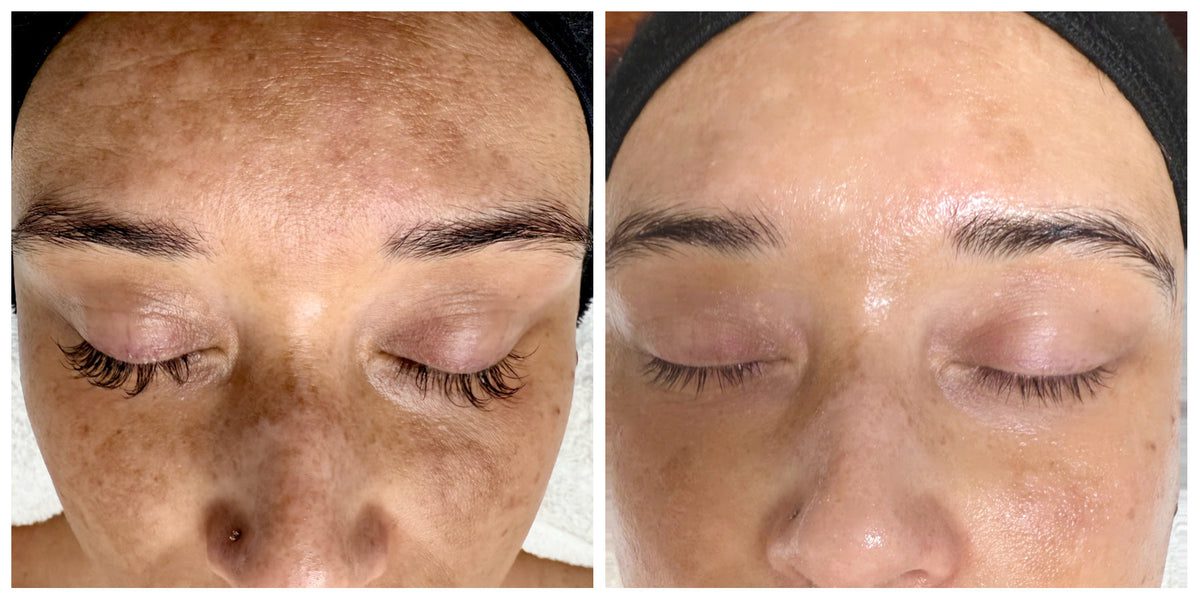
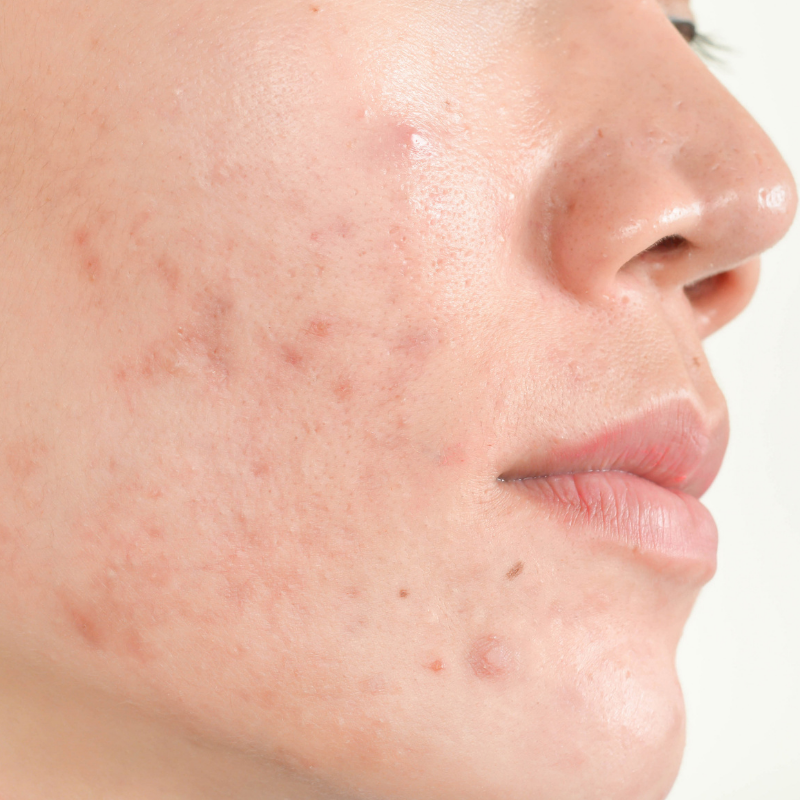
Lots of things can cause pigmentation — some from inside your body, others from the outside.
Internal triggers include hormonal shifts (like during pregnancy), thyroid issues, genetics, and even stress or eating poorly.
On the flip side, spending too much time in the sun, inflamed skin from acne or burns, harsh skincare products, and certain medications all mess with pigmentation from the outside.
As for what you actually see, the most common forms are melasma, age spots, dark marks left after inflammation, and birthmarks.
How Does Laser Treatment for Skin Pigmentation Work?
Laser treatment’s pretty much the gold standard for tackling pigmentation these days.
Here’s how it goes down:
First, you meet with a dermatologist, and they check out your skin. Once you’re all set, they use a special laser that zeros in on those pigmented spots. The melanin in your skin grabs onto the laser’s energy, breaks up into tiny bits, and then—over time—your body naturally clears it out. As the pigment fades, fresh, healthy skin starts to take its place.
Why pick lasers? They’re super precise, so they only hit the spots you want gone without bothering the surrounding skin. On top of that, the process boosts collagen and leaves your skin smoother.
How many sessions does it take? Usually somewhere between three and six, depending on how deep or stubborn the pigmentation is. Results depend on your skin type and how much pigment you’ve got.
So, who’s it for? If you have uneven skin tone, dark patches, sun spots, melasma, acne scars, or age-related pigmentation—this treatment’s got your back.
And look, pigmentation isn’t risky medically. People just want to get rid of it to feel better and look sharper. That’s reason enough.
Aftercare for Pigmentation Treatment
Taking care of your skin after treatment really makes a difference.
In the first day or two, expect some redness and a bit of swelling—that’s normal. Don’t wear makeup or use any harsh products during this time.
Here’s what you should do: Apply sunscreen with at least SPF 30 every day. Keep your skin moisturized. Stick to any creams or products your doctor recommended.
Now, a few things to avoid: Stay out of the sun as much as you can. Skip waxing, bleaching, or facials for the next three to four weeks. Hold off on hitting the gym or taking hot baths for a few days, too.
Good aftercare helps your skin heal faster and gives you better results in the end.
Cost of Skin Pigmentation Treatment in Kerala
The price really comes down to what kind of treatment you choose, the technology involved, and how many sessions you’ll need.
On average, each session costs between ₹3,000 and ₹5,000. Keep in mind, though—most people need more than one session.
A few things can change the total cost: how serious your pigmentation is, the area being treated, the clinic’s reputation, and what kind of technology they’re using.
At SM SCAN Kerala, you get expert care with the latest technology, all at a price that’s actually reasonable.
Are the Results Permanent?
Home remedies can give you quick fixes, but honestly, they won’t last long. Laser treatment, on the other hand, sticks around for much longer.
Still, you’ve got to keep up with maintenance. Sunscreen every day is a must. Stick with a good skincare routine and try not to overdo it with sun exposure.
Alternative Treatments for Pigmentation
If you’re not into lasers, you’ve got some other choices. Chemical peels, prescription creams like retinoids or hydroquinone, and microdermabrasion can help with pigmentation. Some people swear by natural remedies like aloe vera or turmeric, too. Dermatologists usually suggest mixing a few treatments to get the best results.
Why Choose SM SCAN—Cosmetology & Diagnostic Center Kerala?
We use advanced laser technology, and our dermatologists really know their stuff. Every treatment plan is made just for you. Our clinic’s clean and safe, and you won’t get any surprise bills—our prices are affordable. No matter if you’re dealing with mild pigmentation or stubborn melasma, SM SCAN has solutions that actually work and fit your needs.
Conclusion: Don’t Ignore Skin Changes
Skin discoloration happens to a lot of people, but that’s no reason to brush it off. Spotting changes early and getting the right treatment really matters.
So, if you’re seeing new dark patches, noticing your skin tone looking uneven, or experiencing any sudden shifts in pigmentation, it’s time to talk to the experts at SM SCAN Kerala. They’ll point you in the right direction.
With the right care, you can get back to healthy, glowing skin.
FAQs: Skin Pigmentation Treatment in Kerala
1. What’s the best way to treat skin pigmentation?
Laser treatment works best if you want lasting results, especially with deep pigmentation.
2. Does pigmentation treatment hurt?
Honestly, it’s not too bad. Most people feel a bit of tingling or warmth during laser sessions, but it’s usually manageable.
3. How many sessions do I need?
Most folks need around 3 to 6 sessions, depending on how severe it is.
4. Can pigmentation return after treatment?
Yes, it can come back if you skip proper skincare and sunscreen.
5. Is laser treatment safe for everyone?
It’s generally safe for all skin types, but you need a professional to customize it for your skin.
6. Are home remedies useful?
They might help with mild pigmentation, but don’t expect miracles if you’ve got deeper issues.
7. What’s the downtime after treatment?
It’s pretty minimal. You might see some redness for a day or two, and that’s usually it.
1 comment on “Skin Pigmentation Treatment: Procedure”