
Alopecia Treatment: Types & Dermatologist Care
Hair loss worries a lot of people—men, women, young, and old. Sure, you’ll find a few hairs on your brush every day, and that’s totally normal, but when you start noticing clumps in the shower or see thin spots on your scalp, it’s hard not to panic. That kind of hair loss, known as alopecia, can really mess with your confidence and mood. People in Changanassery are looking for solid answers because, let’s face it, hair matters.
At SM SCAN – Cosmetology & Diagnostic Center in Changanassery, the dermatologists listen. They figure out why your hair’s falling out and set up a treatment plan that actually fits you—not some one-size-fits-all routine. This way, you have a better shot at lasting results.
Alopecia isn’t one simple problem—it covers a bunch of different hair loss issues. Sometimes it’s genetics, hormones, autoimmune stuff, or just too much stress. Bad nutrition, scalp infections, how you treat your hair—any of those can play a role too. If a dermatologist checks things early, you’ve got a real chance to slow the loss and get healthier hair growing again.
What is alopecia?
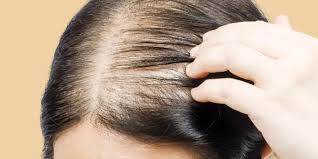
Alopecia just means hair loss—it can happen on your scalp or anywhere else on your body. Sometimes it’s barely noticeable, just a little thinning, but for others, it ends up as complete baldness. People usually notice it in different ways: one person might spot a random bald patch overnight, while someone else just sees their hair slowly thinning out over the years.
Your hair goes through a cycle: it grows, it rests, then it sheds. When something throws off this cycle—stress, illness, genetics, or even certain medications—you start seeing extra hair on your pillow or in the shower drain. Too often, people brush off those first signs until the loss is hard to ignore.
It’s not just men, by the way. Women and even kids deal with this, too. Hereditary hair loss is super common, but things like hormone changes, illnesses, or scalp conditions can set it off as well. That’s why before you raid your kitchen for a miracle cure or buy the latest shampoo, you’re better off seeing a dermatologist in Changanassery. They can figure out what’s really happening and help you get ahead of it.
Common Types of Alopecia
1. Androgenetic Alopecia
Androgenetic alopecia is the most common kind of hair loss. People usually call it male pattern baldness, but women get their own version, too. Genes and hormones play the biggest role in who gets it.
Men notice their hairline creeping back and thinning on the crown. Eventually, some guys lose a lot—or even all—of their hair. Women don’t go bald the same way; their hair just gets thinner, mostly around where they part it.
This kind of hair loss sneaks up on you and tends to get worse as the years go by. If you catch it early and start treatment, you can slow things down and hang onto more of your hair.
2. Alopecia Areata
Alopecia areata happens when the immune system goes after your hair follicles by mistake. This attack makes hair fall out suddenly in small, round patches—usually on your scalp, beard, eyebrows, or even elsewhere on your body. Sometimes, it gets worse and leads to total hair loss on your scalp or all over your body.
Anyone can get it, no matter their age. It’s often connected to stress, family history, or other autoimmune problems. If you notice these signs, it’s important to see a dermatologist—they can help calm the inflammation and jumpstart hair growth.
3. Telogen Effluvium
Telogen effluvium happens when your hair starts shedding more than usual, usually because of stress, sickness, surgery, changes in hormones, or not getting enough nutrients.
A lot of people suddenly notice their hair coming out in handfuls after things like a high fever, having a baby, emotional turmoil, or dropping weight fast. It doesn’t come out in spots or patches—it’s all over.
The upside? Once you tackle whatever triggered it, your hair usually grows back.
4. Traction Alopecia
Traction alopecia happens when you keep pulling your hair back tightly—think ponytails, braids, buns, or extensions. All that tension strains your hair follicles, and after a while, they get damaged. You usually notice the hair thinning most around your hairline. The good news is, if you catch it soon enough and ditch the tight styles, your hair often grows back with the right care.
5. Cicatricial Alopecia
Scarring alopecia is a serious kind of hair loss where inflammation actually wipes out hair follicles and leaves behind scar tissue—so the hair’s not growing back. People usually notice things like a red, itchy, or burning scalp, and sometimes it hurts. If you see these signs, get to a dermatologist right away. Quick treatment can stop permanent damage.
Causes of Alopecia
Hair loss happens for all kinds of reasons, so figuring out why it’s happening is the first step to picking the right treatment.
1. Genetic Factors
Genetics are a big deal, especially with pattern baldness. If your parents or grandparents lost their hair, odds are higher you will too.
2. Hormonal Imbalance
Things like thyroid problems, PCOS, menopause, pregnancy, and sensitivity to testosterone can all make your hair fall out. Hormones play a big part—they can mess with your hair’s growth cycle and cause either slow thinning or sudden shedding.
3. Nutritional Deficiencies
Not getting enough iron, vitamin D, biotin, zinc, protein, or vitamin B12? That weakens your hair follicles. A poor diet, crash diets, or digestive issues can make these deficiencies worse.
4. Stress and Lifestyle
Stress and anxiety, lousy sleep, smoking, and overall unhealthy habits will hurt your hair too. High stress pumps out hormones that push more follicles into the “shed now” phase.
5. Medical Conditions
Autoimmune diseases, scalp infections, fungus, diabetes, lupus, and other chronic illnesses are all tied to alopecia. Some medications, like chemo, blood thinners, or antidepressants, can also cause hair loss.
Symptoms That Need Dermatologist Attention
Lots of people wait until their hair loss gets pretty bad before seeing a doctor. But catching it early really leads to better results.
If you notice your hair falling out more than usual, your part getting wider, your hairline moving back, bald spots, an itchy or red scalp, flaky skin, or even thinning eyebrows—it’s time to see a dermatologist.
If you’re in Changanassery, a dermatologist can check your scalp and give you treatment that actually fits your situation.
Alopecia Diagnosis at SM SCAN – Cosmetology & Diagnostic Center
At SM SCAN – Cosmetology & Diagnostic Center in Changanassery, diagnosing alopecia starts with a close look at your scalp. The doctors check your hair density and the health of your scalp and ask about your medical and family history. They also talk to you about stress and your nutrition.
They might suggest blood tests to see if your thyroid is healthy or to look for vitamin deficiencies, hormonal issues, or other underlying problems. Sometimes, they’ll use a dermoscope or even do a scalp biopsy to get a clearer picture.
By tailoring the diagnosis to each person, they make sure the treatment goes after the real cause—not just the symptoms.
Best Alopecia Treatment Options
1. PRP Hair Treatment
Platelet-rich plasma therapy has become a go-to choice for people looking to restore their hair without surgery. Here’s how it works: a doctor draws a little of your blood, spins it to concentrate the growth factors, and then injects that plasma into your scalp. The result? It wakes up lazy hair follicles, boosts blood flow, and helps your hair grow in thicker. PRP is especially popular for conditions like androgenetic alopecia and people just starting to notice thinning.
2. Hair Growth Medications
Dermatologists sometimes prescribe topical or oral medications to slow down hair loss and kickstart regrowth. You’ve got to start treatment early and stick with it, always checking in with your doctor.
3. Mesotherapy
Mesotherapy’s a bit different. It uses tiny injections packed with vitamins, minerals, amino acids, and growth boosters right into your scalp. This method feeds the hair follicles directly, giving weak roots a boost.
4. Laser Hair Therapy
Then there’s low-level laser therapy. It ramps up scalp circulation and gets cells working harder. This kind of therapy helps with regrowth and keeps thinning from getting worse.
5. Steroid Therapy for Alopecia Areata
If your hair loss is caused by an autoimmune reaction, doctors use corticosteroid injections or topical treatments to calm inflammation and help the hair come back. This is especially useful for patchy bald spots.
6. Hair Transplant Consultation
When hair loss gets advanced, surgery might be the answer. A hair transplant consultation can show if you’re the right fit for that option.
Home Care Tips to Support Alopecia Treatment
Alopecia treatment works better when combined with healthy scalp care and lifestyle changes.
Use mild shampoo, avoid harsh chemicals, reduce heat styling, eat protein-rich foods, stay hydrated, manage stress, and maintain proper sleep.
Avoid self-medication or trying viral hair hacks without dermatologist advice.
Why Choose SM SCAN – Cosmetology & Diagnostic Center in Changanassery?
SM SCAN is trusted for advanced dermatology and hair restoration treatments in Changanassery.
The clinic offers personalized alopecia treatment plans, expert dermatologist consultations, scalp diagnosis, PRP therapy, mesotherapy, and comprehensive hair care solutions.
Patients receive evidence-based treatment rather than temporary cosmetic fixes.
Whether you are facing hair thinning, bald patches, or excessive shedding, early medical intervention can improve outcomes significantly.
Conclusion
Alopecia is more than just cosmetic hair loss. It can be caused by genetics, autoimmune disorders, hormones, stress, or nutritional issues. Since every type of hair loss requires a different treatment strategy, consulting a dermatologist is the smartest first step.
If you are looking for alopecia treatment in Changanassery, SM SCAN – Cosmetology & Diagnostic Center offers advanced dermatologist care, accurate diagnosis, and customized hair regrowth treatments.
Taking action early can help preserve existing hair, stimulate regrowth, and restore confidence.
FAQs
1. Which doctor is best for alopecia treatment in Changanassery?
A dermatologist is the best specialist for diagnosing and treating alopecia because they understand scalp disorders, hair loss causes, and medical treatment options.
2. Is alopecia permanent?
Not all alopecia is permanent. Some types like telogen effluvium and alopecia areata may be reversible with proper treatment.
3. Does PRP help in alopecia treatment?
Yes, PRP therapy can improve hair thickness, stimulate follicles, and reduce progressive hair fall.
4. How long does alopecia treatment take?
Treatment duration depends on the type and severity of hair loss. Visible improvement often takes several months.
5. Can women get alopecia?
Yes, alopecia affects both men and women. Female pattern hair loss and hormonal hair thinning are very common.