

Fungal Infection Treatment: Causes, Symptoms & Fast Cure Options in Perinthalmanna
Fungal infections are actually pretty common—almost everyone deals with them at some point. They pop up as itchy rashes, ringworm, nail fungus, or even scalp issues, and let’s be honest, they’re uncomfortable if you just try to ignore them. In places like Perinthalmanna, where it’s usually warm and humid, it’s even easier for fungus to thrive. That means you really need to catch these problems early and get treated. If you keep noticing skin irritation, redness, itching, or peeling, don’t wait around—getting professional care in Perinthalmanna speeds up your recovery and helps you avoid bigger issues later.
At SM SCAN—Cosmetology & Diagnostic Center, you get more than just basic treatment. They figure out exactly what’s going on, then build a plan just for you. Understanding what causes your infection is where it all begins—once you know that, you can treat it properly and keep things from coming back.
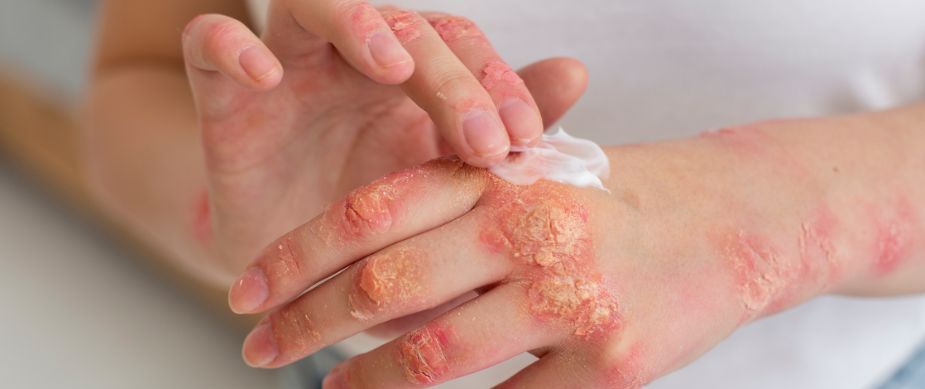
What is a fungal infection?
Fungal infections pop up when fungi—those tiny organisms that live all around us—start growing out of control. Usually, your body keeps them in check, but things like too much moisture, not showering enough, weak immunity, or even minor skin injuries can give these fungi the upper hand. They love warm, sweaty spots, so skin infections are especially common.
You’ve probably heard of athlete’s foot, ringworm, or jock itch. There’s also candidiasis, nail fungus, and infections that show up on the scalp. Some of these start out as just a little itch or a small rash, but if you ignore them, they can get worse fast and become tough to treat. That’s why, in Perinthalmanna, people recommend tackling fungal infections early, whether you’re an adult or a kid. It just makes things a whole lot easier.
Common Causes of Fungal Infection
Fungal infections don’t just show up out of the blue. It usually comes down to how you live and where you spend your time. Sweating a lot really sets the stage for fungus—it loves damp spots. If you spend hours in tight clothes, synthetic fabrics, or closed shoes, you’re basically inviting trouble, especially in body creases or on your feet.
Then there’s hygiene. It’s easy to catch a fungal infection when you share towels, socks, shoes, combs, or other personal things with someone who’s already infected. Gyms, pools, locker rooms, and salons—places lots of people use—are common spots where you can pick it up.
If your immune system is low, you’re much more likely to deal with fungal problems. So if you have diabetes, obesity, hormone issues, or immune disorders, you probably get skin infections more often. Taking antibiotics for a long time messes with your skin’s natural defenses too, giving fungus room to grow fast. If you’re in Perinthalmanna and start noticing the first signs of a fungal infection, get treated right away. You’ll save yourself a lot of hassle and cut down the risk of it turning chronic.
Symptoms of Fungal Infection
Fungal infections show up in different ways, depending on where they hit. Most skin infections kick off with redness, itching, irritation, or flaky patches. Ringworm usually leaves a round rash with a raised edge. Athlete’s foot? That’s the classic cracked skin, burning, peeling, and sometimes a bad smell between your toes.
If the infection is in your nails, you’ll probably notice they get thick, yellow, brittle, or just look discolored. On the scalp, things often look like flakes, hair falling out, itchy spots, or patchy baldness. In skin folds—like under your arms, groin, or beneath the breasts—the itch can be pretty intense, alongside redness and patches of darker skin.
If these symptoms stick around or get worse, don’t wait. Getting proper treatment for fungal infections in Perinthalmanna is the best way to keep things from spreading.
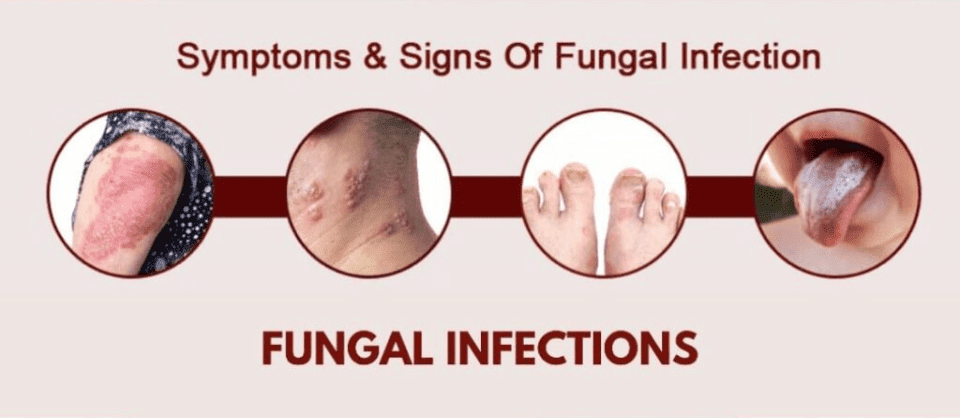
Types of Fungal Infections
1. Ringworm Infection
Ringworm is actually a fungal infection, even though the name makes it sound like worms are involved. It shows up as a round, itchy rash with a red, scaly edge. You can get ringworm anywhere—body, scalp, groin, hands, feet—all it takes is skin-to-skin contact or touching something contaminated.
2. Athlete’s Foot
Athlete’s foot usually hits people who sweat a lot or wear their shoes for ages. It sneaks in between your toes, making you itch, burn, crack, and peel. If you skip treatment, especially from a specialist in Perinthalmanna, the fungus can spread to your toenails or other parts of your body.
3. Nail Fungus
Nail fungus targets your fingernails or toenails, leaving them thick, yellow, brittle, and—not great—deformed. It creeps in slowly, but if you leave it alone, it gets stubborn. At that point, you need more advanced treatments to truly get rid of it.
4. Jock Itch
Jock itch mostly bothers men and athletes. It pops up in the groin and inner thighs, bringing red, itchy rings that just get worse with sweat and friction. Keeping the area dry and clean makes a huge difference.
5. Scalp Fungal Infection
Scalp fungus is rough, too. You’ll notice serious itching, flakes like dandruff, inflammation, and even hair falling out. Kids tend to deal with it more often, especially if they share things like combs, hats, or pillows.
Fast Cure Options for Fungal Infection
Getting rid of fungal infections usually takes more than just medicine; you need good hygiene and some preventive steps too. For mild cases, doctors often go with topical antifungal creams—they stop the fungus from spreading and help with itching, redness, and general discomfort.
If the infection is really stubborn or has spread a lot, oral antifungal meds come into play. These work from the inside out, which is especially helpful for tough spots like toenails or the scalp. How long you’ll need treatment really depends on what type of infection you’re dealing with and how bad it is.
At SM SCAN—Cosmetology & Diagnostic Center in Perinthalmanna, doctors don’t just hand out prescriptions. They make sure to pinpoint the exact kind of fungus before starting any treatment. That way, you get faster results and there’s less chance the infection will come back. You’ll also get clear advice on medications and how to take care of your skin.
Sometimes, when nail fungus just won’t quit, laser treatment steps in. It’s a high-tech option that tackles the infection head-on and can help nails bounce back healthier over time.
Home Care Tips During Fungal Infection Treatment
Medications are important, but your daily habits matter just as much when you’re trying to recover. It’s simple—keep the affected area clean and let it breathe. Fungi love damp spots, so keeping things as dry as possible really works.
Wear loose cotton clothes instead of anything tight and synthetic. Make it a point to change your socks, underwear, and towels every day—that cuts down the risk of spreading the infection. And don’t share personal hygiene stuff like razors or towels with anyone.
Pick shoes that let your feet breathe, and clean them out often. Antifungal powders in your shoes can keep sweat and moisture under control. If you stick with these habits, you’re not just treating a fungal infection—you’re making sure it doesn’t come back, whether you’re in Perinthalmanna or anywhere else.
How to Prevent Fungal Infections
It’s usually easier to stop an infection before it starts. Good hygiene really makes a difference—simple things like regular showers, drying off skin folds, and putting on clean clothes can actually keep fungal infections at bay.
Don’t walk barefoot in public showers, pools, or locker rooms. Slip on sandals or slippers if you’re in any shared wet areas. And keep your nails short and clean—fungi love hiding out under long or dirty nails.
Eating a balanced diet and keeping your immune system healthy helps, too. Taking care of conditions like diabetes, obesity, or hormonal imbalances makes repeat infections less likely. But if you keep dealing with infections, it’s a good idea to see a specialist in Perinthalmanna—they can help figure out what’s really going on.
Why Choose SM SCAN—Cosmetology & Diagnostic Center?
SM SCAN—Cosmetology & Diagnostic Center is known for advanced dermatology and skin care services in Perinthalmanna. The clinic offers professional diagnosis, personalized treatment plans, and patient-focused care for all skin and scalp conditions.
Patients benefit from experienced specialists, modern diagnostic tools, and effective treatment solutions under one roof. Whether you are dealing with ringworm, nail fungus, scalp infection, or chronic skin irritation, expert fungal infection treatment in Perinthalmanna is available here.
Early treatment not only relieves discomfort but also prevents spreading to family members or worsening into long-term skin damage.
Conclusion
Fungal infections may seem minor initially, but they can quickly spread and become persistent without proper care. Itching, redness, rashes, nail changes, and scalp irritation should never be ignored. Timely fungal infection treatment in Perinthalmanna ensures faster recovery, better skin health, and reduced recurrence.
SM SCAN—Cosmetology & Diagnostic Center provides expert diagnosis and customized treatment plans to help patients achieve healthy, infection-free skin. If you are facing fungal skin problems, seeking professional treatment is the smartest step toward lasting relief.
FAQs
1. How long does fungal infection treatment take?
Treatment duration depends on the type and severity of infection. Mild skin infections may improve within a few weeks, while nail or scalp infections can take several months.
2. Is fungal infection contagious?
Yes, many fungal infections spread through direct skin contact or contaminated items like towels, shoes, or combs.
3. Can fungal infections come back after treatment?
Yes, recurrence is common if hygiene is poor or treatment is stopped too early. Proper aftercare is essential.
4. Which doctor should I consult for fungal infection treatment in Perinthalmanna?
A dermatologist or skin specialist at SM SCAN—Cosmetology & Diagnostic Center can diagnose and treat fungal infections effectively.
5. Is home treatment enough for fungal infection?
Mild infections may improve temporarily, but professional fungal infection treatment in Perinthalmanna is recommended for complete recovery and prevention of recurrence.