
What is a dermatologist? What types of conditions do dermatologists treat?
What is a dermatologist? Complete Guide to Skin, Hair & Nail Care
Your skin does a lot more than just make you look good. It’s actually your body’s biggest organ, and it keeps you safe from germs, helps control your body temperature, and can show signs of what’s going on inside you. So, if you notice trouble with your skin, hair, or nails, a dermatologist is the right person to help.
At SM SCAN—Cosmetology & Diagnostic Center in K.S. Puram P.O., you get expert care that’s all about figuring out what’s wrong, treating it, and helping your skin look and feel its best. They use the latest medical and cosmetic techniques to keep your skin healthy.
Understanding What a Dermatologist Is
A dermatologist is a trained medical doctor who focuses on any issues involving skin, hair, or nails. They’re not just about facials or beauty tips—these folks know how to spot serious health problems that often first show up on your skin.
Why Dermatologists Matter
- They catch diseases early, like skin cancer, before things get out of hand.
- They handle tough, long-term problems like eczema and psoriasis.
- They help with cosmetic stuff, too—scars, uneven pigmentation, and signs of aging.
- They even deal with disorders affecting your hair and nails.
What Do Dermatologists Do?
Dermatologists do way more than just skincare. They handle everything from medical treatments to cosmetic procedures, and their days are never dull.
Diagnosis of Skin Conditions
When you visit a dermatologist, they don’t just glance at your skin—they really look. They check for all kinds of things: rashes, infections, pigmentation problems, and allergic reactions. Sometimes, what shows up on your skin is just the tip of the iceberg, pointing to bigger issues like liver problems or hormone imbalances. So yeah, they’re pretty much detectives for your skin.
Advanced Treatments Offered
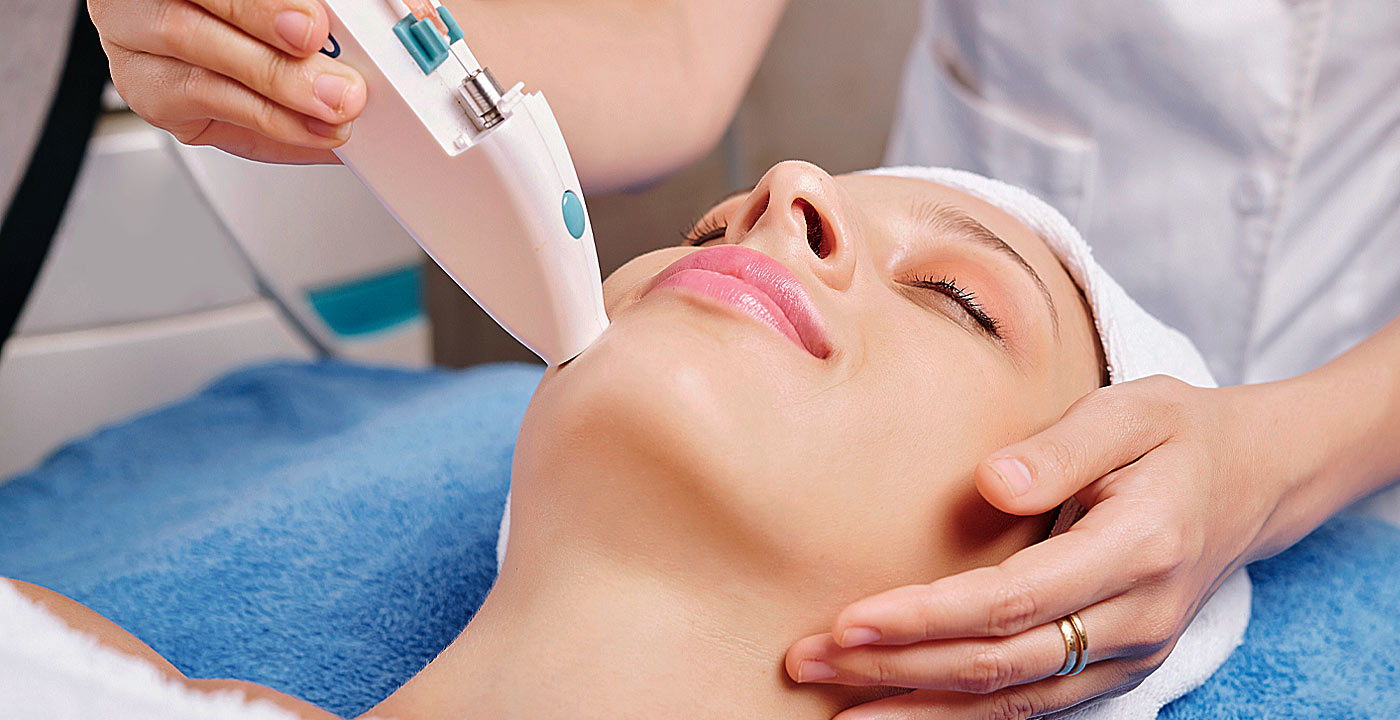
Dermatologists have a lot of tools at their disposal these days. They turn to the latest medications—things like prescription creams, ointments, pills, and even injectables—to get skin issues under control. Sometimes, they bring in light therapy, using ultraviolet (UV) treatments, which can do wonders for conditions like psoriasis. And if you need a procedure, they’re ready for that, too. Whether it’s doing skin biopsies, taking off a mole, or using lasers to smooth things out, they handle both minor and big procedures right in the office.
Dermatologist Treatment of Common Conditions
1. Acne: (Pimples)
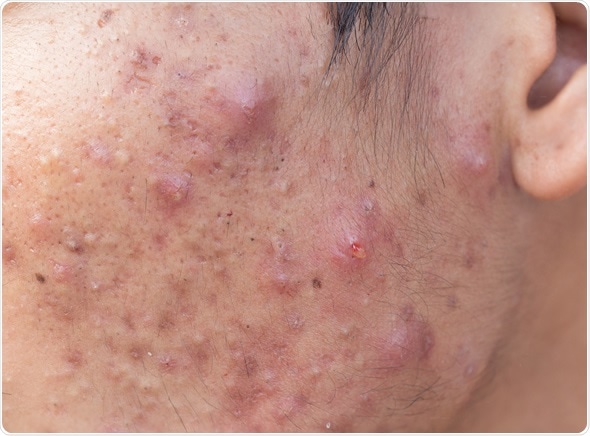

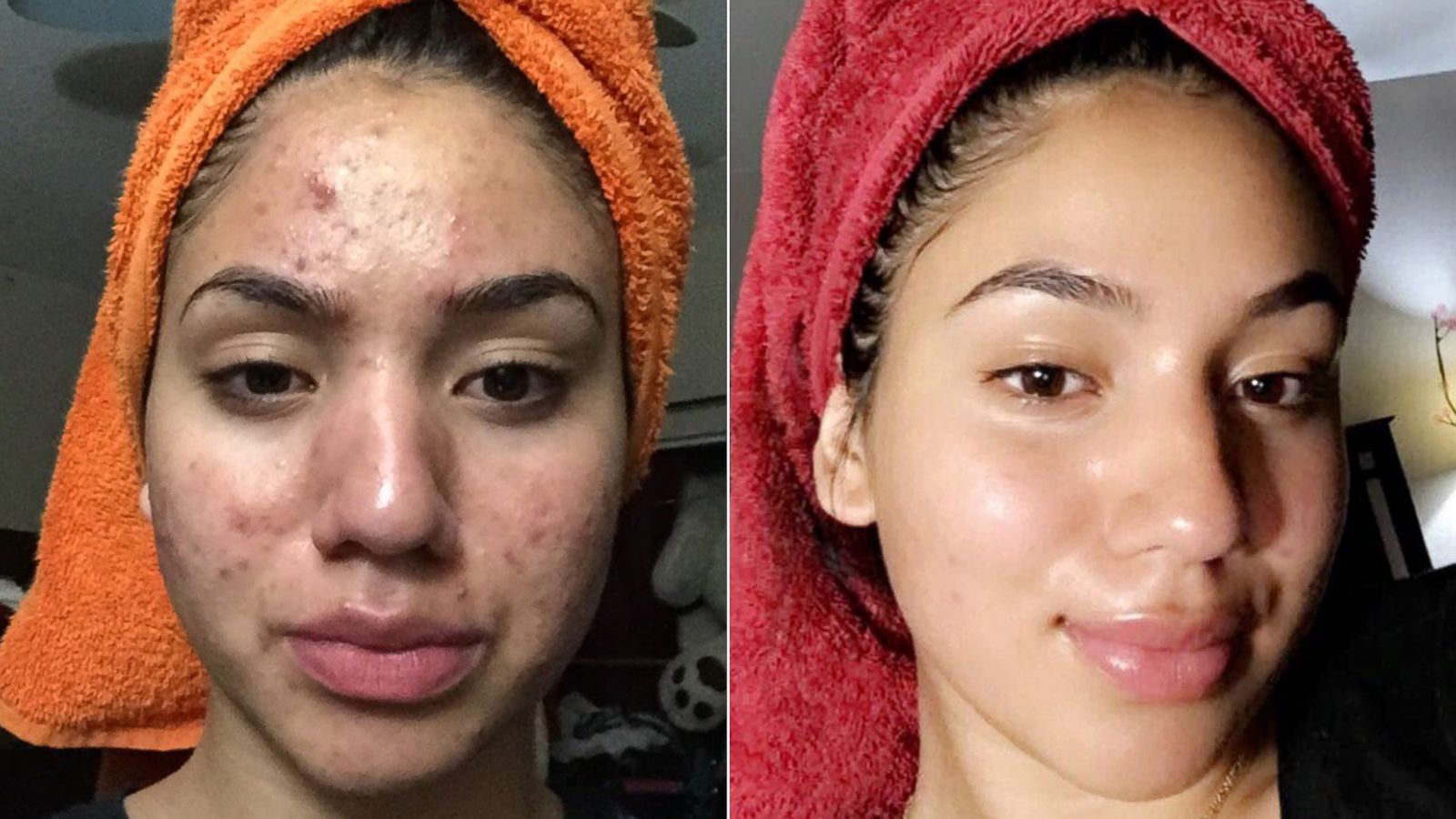
Pimples occur when a hair follicle becomes clogged due to an excessive amount of sebum production or buildup of dead skin cells.
Symptoms of acne can include:
- Pimples
- Blackheads
- Whiteheads
Who gets acne? Teenagers are most frequently diagnosed with acne; however, many adults are also affected.
2. Eczema (Dry & Itchy Skin)


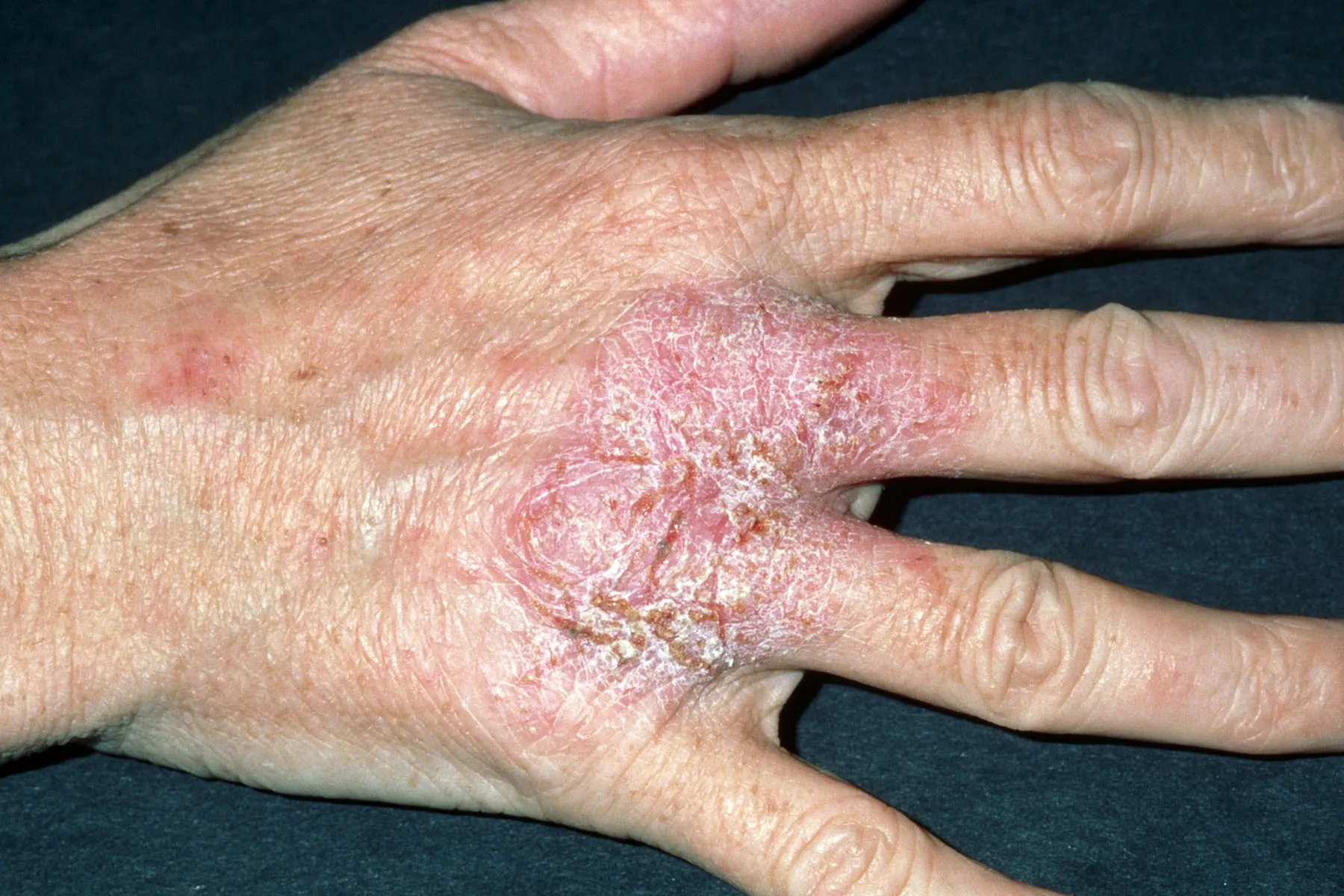
Eczema causes inflamed, itchy, and dry skin.
Triggers:
- Allergens
- Irritants
- Weather changes
It is not contagious, but it can be long-lasting.
3. Hair Loss (Alopecia)
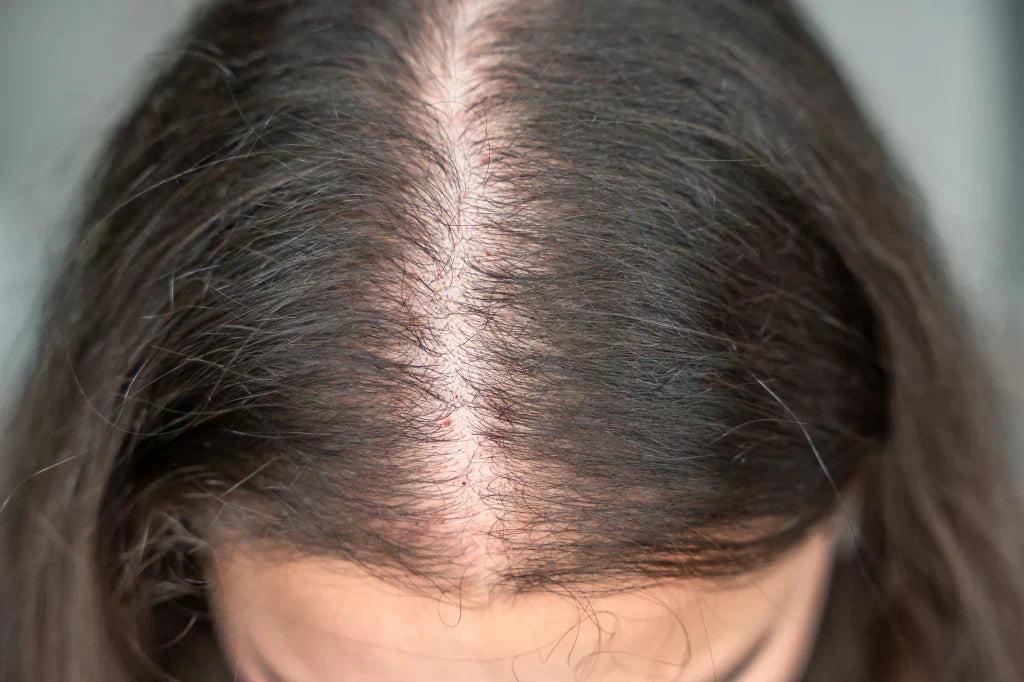
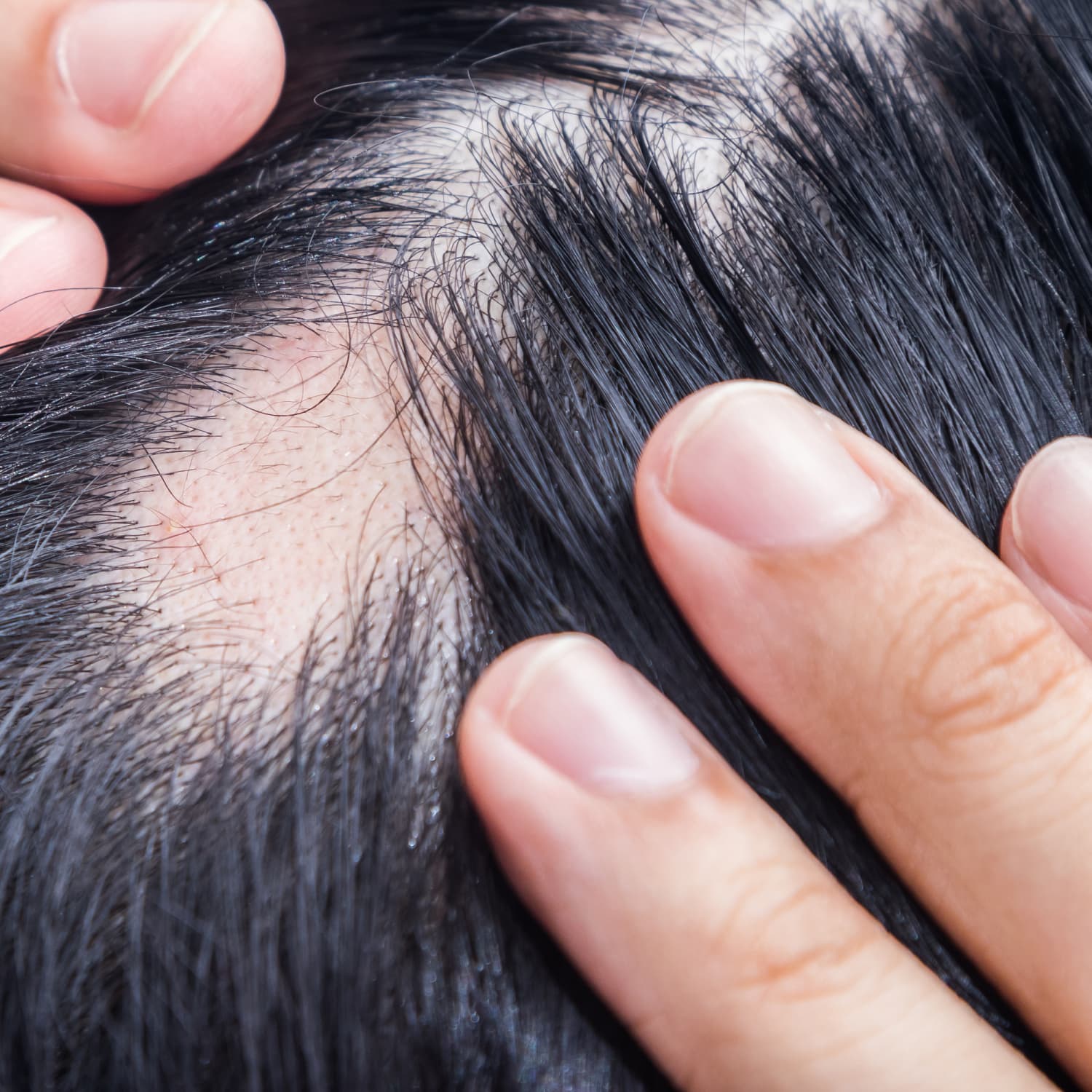
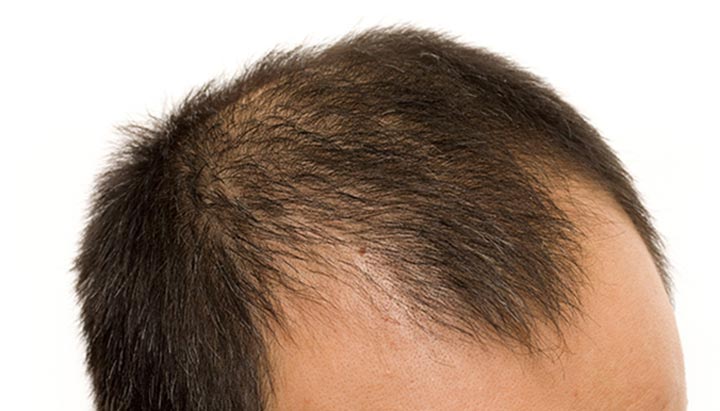
Hair loss can affect the scalp or entire body.
Causes:
- Genetics
- Hormonal changes
- Stress
- Medical conditions
4. Nail Fungus
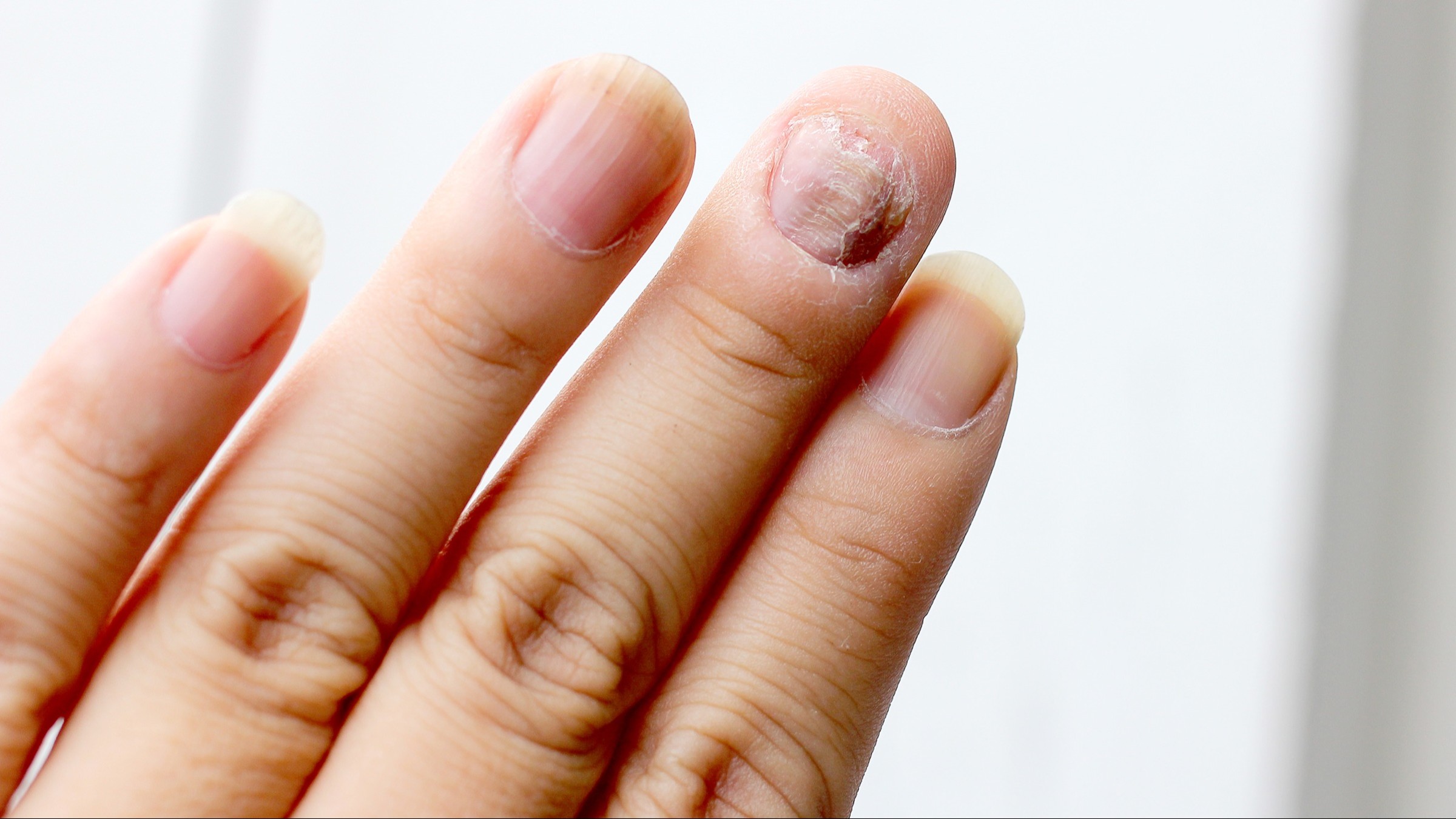

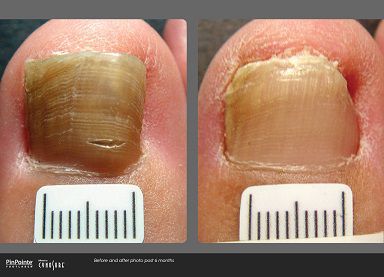
A common infection that affects nails.
Signs:
- Discoloration
- Thickened nails
- Crumbling edges
5. Psoriasis
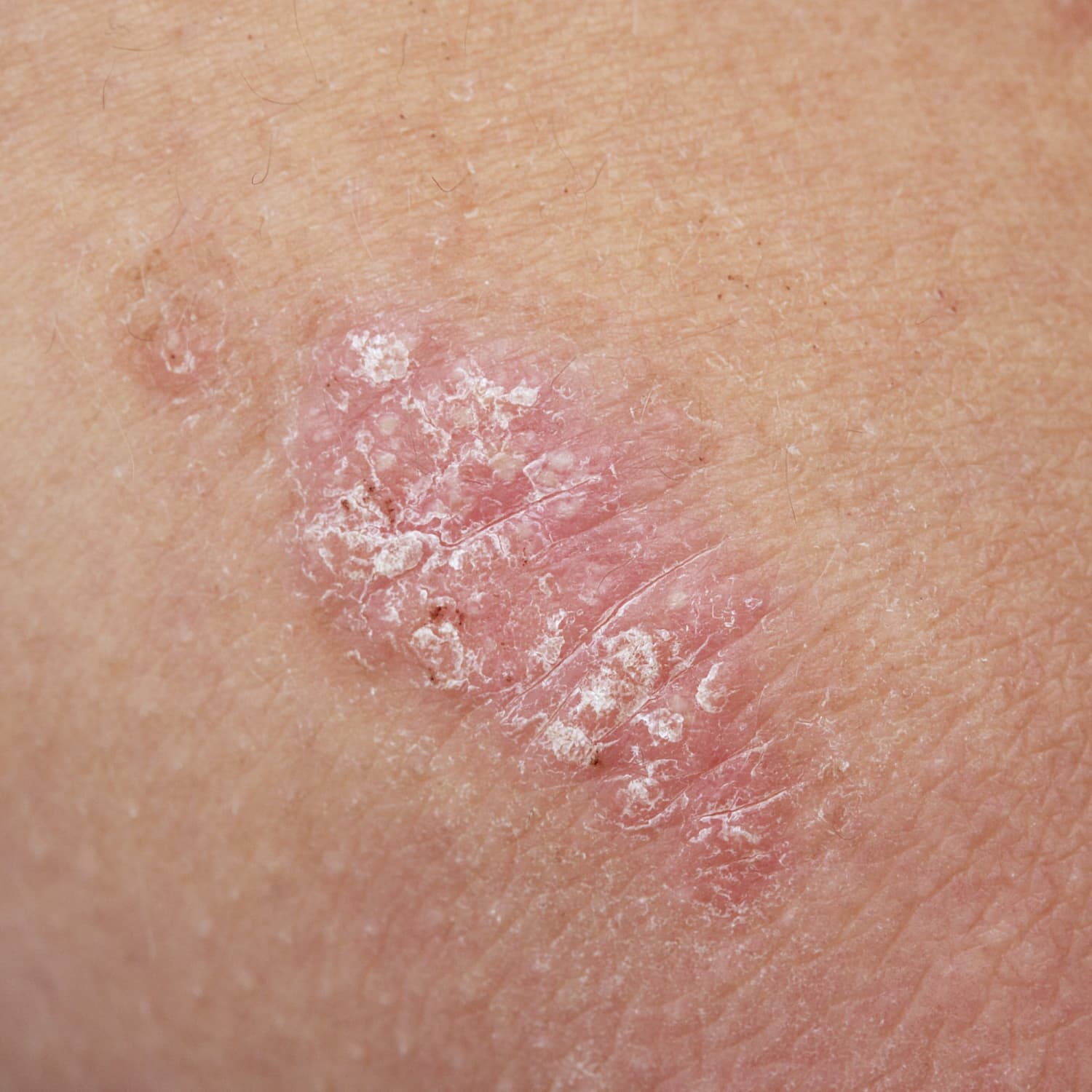

A chronic condition causing thick, scaly patches.
Treatment includes:
- Creams
- Light therapy
- Medication
6. Skin Cancer
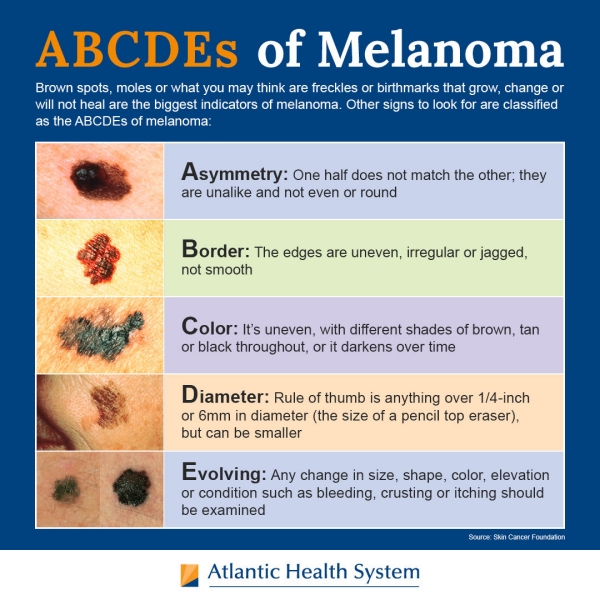
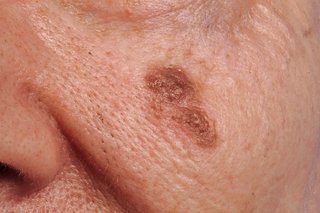
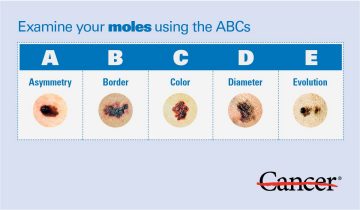
Skin cancer involves abnormal skin cell growth.
Warning signs:
- Changing moles
- Irregular borders
- Color changes
Early diagnosis can save lives.
Types of Procedures Dermatologists Perform
Dermatologists perform both medical and cosmetic procedures.
Surgical & Medical Procedures
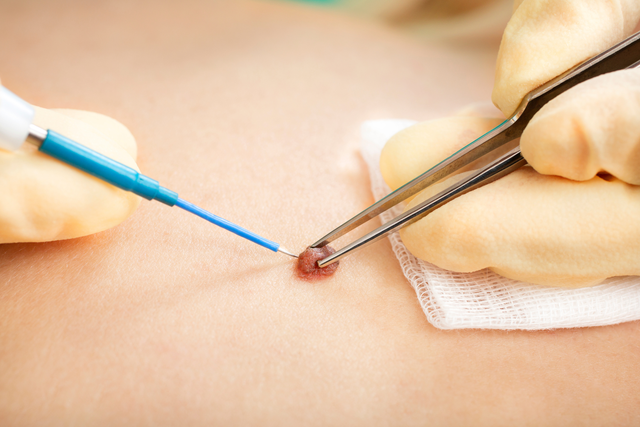
Electrosurgery
Uses electric current to remove tissue.
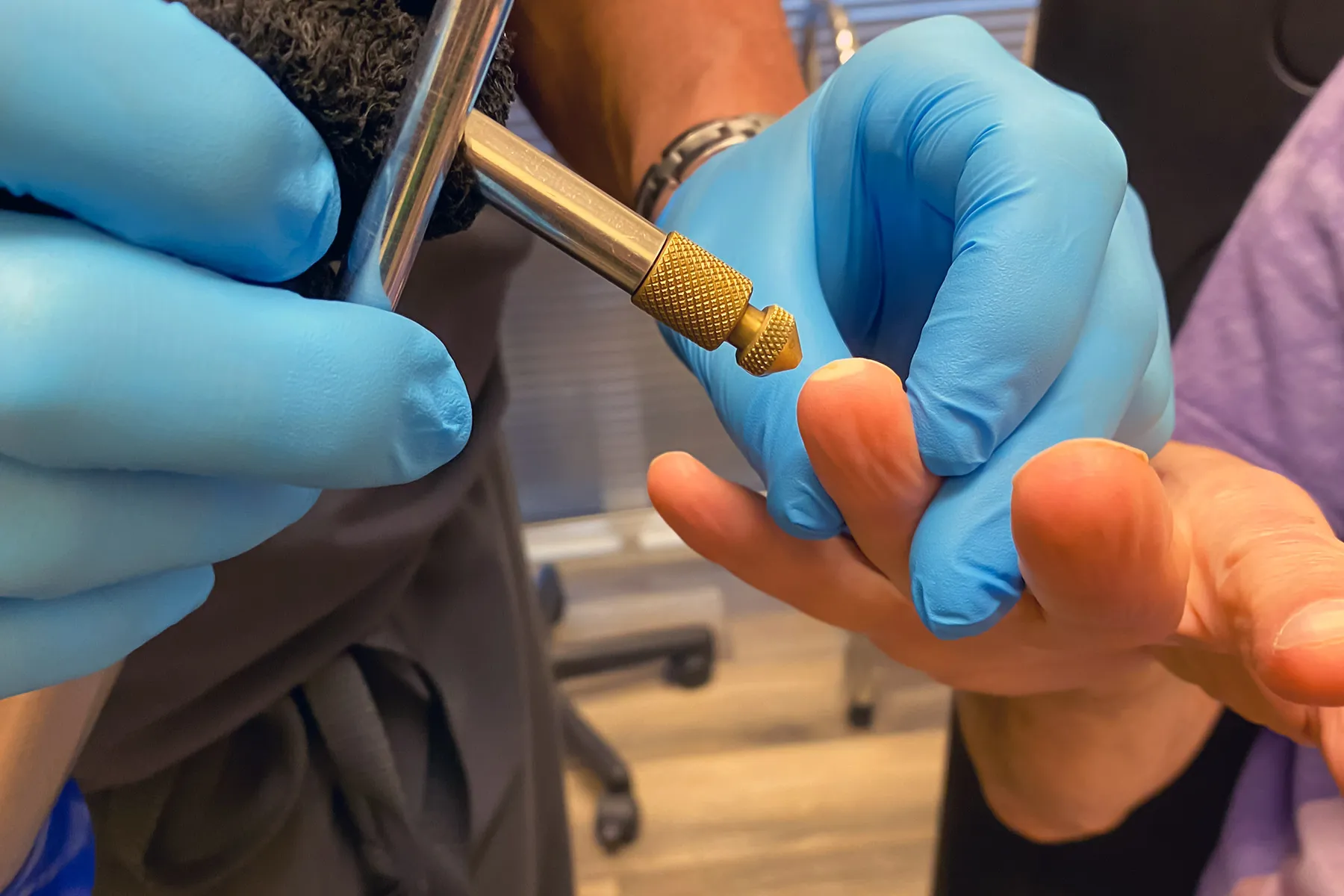
Cryosurgery
Freezes unwanted tissue using extreme cold.
Laser Surgery
Uses light beams for skin treatments.
Excision Surgery
Removes skin growth using a scalpel.
Mohs Surgery
Advanced technique for removing skin cancer layer by layer.
Cosmetic Procedures
- Chemical peels
- Laser skin resurfacing
- Scar reduction
- Sclerotherapy (vein treatment)
These procedures enhance skin appearance and confidence.
Dermatology Subspecialties
Dermatology includes several specialized fields:
- Dermatopathology – Study of skin diseases under a microscope
- Pediatric Dermatology – Skin care for children
- Cosmetic Dermatology – Beauty and anti-aging treatments
- Mohs Surgery – Skin cancer treatment
Dermatologist vs Esthetician – Key Difference
Many people confuse dermatologists with estheticians.
Dermatologist
- Medical doctor
- Can diagnose diseases
- Can prescribe medicines
- Performs surgeries
Esthetician
- Not a doctor
- Focuses on appearance only
- Cannot prescribe medication
Common esthetician services:
- Facials
- Waxing
- Skincare advice
- Makeup application
H2: Role of AI in Dermatology
Artificial intelligence is transforming dermatology in exciting ways.
H3: Key Benefits of AI
- Early detection of skin diseases
- Accurate diagnosis using image analysis
- Personalized skincare recommendations
- Remote consultations (tele-dermatology)
AI tools can analyze the following:
- Skin hydration
- Pigmentation
- Wrinkles
This makes treatment faster and more precise.
H2: Why Choose SM SCAN—Cosmetology & Diagnostic Center?
At SM SCAN, K.S. Puram P.O., patients receive:
- Expert dermatology consultation
- Advanced diagnostic tools
- Personalized treatment plans
- Cosmetic and medical skin care solutions
Whether you have acne, hair loss, or a serious skin condition, expert care is available near you.
When Should You See a Dermatologist?
You should consult a dermatologist if you notice:
- Persistent acne
- Sudden hair loss
- Skin rashes or itching
- Changes in moles
- Nail infections
- Skin discoloration
Early treatment prevents complications.
Conclusion
A dermatologist is more than a skin doctor—they are specialists who protect your overall health through expert care of your skin, hair, and nails. From treating medical conditions to enhancing beauty, dermatologists play a vital role in your well-being.
At SM SCAN—Cosmetology & Diagnostic Center, you get trusted, advanced, and personalized dermatology care tailored to your needs.
Frequently Asked Questions (FAQs)
1. What does a dermatologist treat?
Dermatologists treat skin, hair, and nail conditions like acne, eczema, psoriasis, and skin cancer.
2. When should I visit a dermatologist?
If you have persistent skin issues, hair loss, or unusual moles, you should consult immediately.
3. Can dermatologists help with hair loss?
Yes, they diagnose causes and provide treatments like medications and therapies.
4. Is acne treatment permanent?
Acne can be controlled effectively, but maintenance treatment may be needed.
5. Do dermatologists perform cosmetic procedures?
Yes, including laser treatments, chemical peels, and scar removal.
6. Is skin cancer curable?
If detected early, skin cancer is highly treatable.
7. What is the difference between a dermatologist and a cosmetologist?
Dermatologists are medical doctors, while cosmetologists focus only on beauty treatments.