
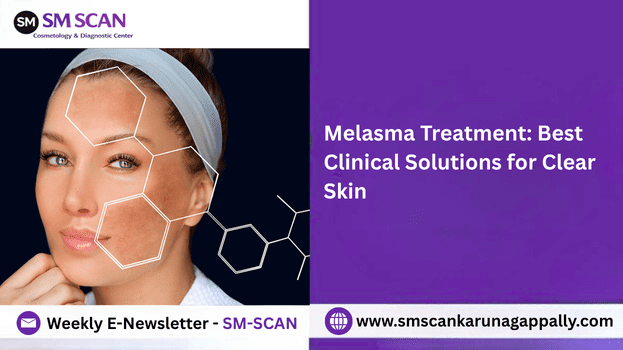
Melasma Treatment: Best Clinical Solutions for Clear Skin
Melasma is one of the most common yet frustrating skin conditions affecting both men and women, especially in countries with strong sun exposure like India. If you’ve been searching for effective melasma treatment in Oachira, you’re not alone. Many people struggle with uneven skin tone, dark patches, and stubborn pigmentation that doesn’t fade easily with home remedies.
At SM SCAN—Cosmetology & Diagnostic Center, advanced dermatological care combined with personalized treatment plans is helping patients achieve clearer, healthier skin. Understanding melasma deeply is the first step toward treating it effectively, and this guide will walk you through everything you need to know in a simple, human tone.
What is melasma and why does it occur?
Melasma is a skin condition that causes dark, patchy pigmentation, usually on the face. It commonly appears on the cheeks, forehead, nose, and upper lip, forming symmetrical patterns. These patches are often brown or grey-brown in color and can become more prominent over time if not treated properly.
The primary cause of melasma is the overproduction of melanin, the pigment responsible for skin color. However, this overproduction doesn’t happen randomly. It is triggered by several internal and external factors. Sun exposure is the biggest contributor, as UV rays stimulate melanocytes to produce more pigment. Hormonal changes, especially during pregnancy or due to birth control pills, can also lead to melasma, which is why it is often referred to as the “pregnancy mask.”
Apart from this, genetics, stress, certain medications, and even harsh skincare products can worsen melasma. In areas like Oachira where sunlight exposure is high, the condition tends to persist longer without proper clinical care.
Types of Melasma You Should Know
Understanding the type of melasma you have is crucial because it determines the treatment approach. Dermatologists usually classify melasma into three types based on how deep the pigmentation is in the skin.
Epidermal Melasma
This type affects the upper layer of the skin. It appears darker with well-defined borders and responds well to topical treatments and mild procedures.
Dermal Melasma
Dermal melasma is deeper and appears more bluish or greyish. It is more difficult to treat and often requires advanced clinical procedures.
Mixed Melasma
This is the most common type, involving both epidermal and dermal layers. Treatment usually involves a combination of therapies for best results.
At SM SCAN—Cosmetology & Diagnostic Center, skin analysis tools are used to identify the exact type of melasma, ensuring targeted and effective treatment.
Why Home Remedies Often Fail
Many people initially try natural remedies like aloe vera, turmeric, lemon juice, or DIY masks to treat melasma. While these might provide temporary brightness, they rarely address the root cause of pigmentation.
In fact, using harsh ingredients like lemon can irritate the skin, making melasma worse. The condition requires medical-grade treatment because it involves deeper layers of the skin and complex pigment pathways.
If you’ve been trying home remedies without success, it’s a sign that you need professional melasma treatment in Oachira from experienced dermatologists.
Best Clinical Melasma Treatments for Clear Skin
Modern dermatology offers several advanced solutions that are safe, effective, and tailored to your skin type. These treatments not only reduce pigmentation but also improve overall skin quality.
Chemical Peels for Pigmentation Removal
Chemical peels are one of the most commonly recommended treatments for melasma. They involve applying a solution that exfoliates the top layer of the skin, removing pigmented cells and promoting new skin growth.
At SM SCAN, dermatologists use customized peels such as glycolic acid, salicylic acid, or lactic acid depending on your skin type. Over multiple sessions, these peels help lighten dark patches and improve skin texture.
Laser Treatment for Melasma
Laser therapy is a powerful solution for deeper pigmentation. It targets melanin deposits in the skin and breaks them down, allowing the body to naturally eliminate them.
However, laser treatment must be done carefully because improper use can worsen melasma. That’s why choosing a trusted clinic in Oachira is essential. At SM SCAN, advanced laser technologies are used under expert supervision to ensure safe and visible results.
Microdermabrasion and Skin Polishing
This treatment gently exfoliates the skin using a specialized device, removing dead skin cells and enhancing skin renewal. It is particularly useful for mild melasma and can be combined with other treatments for better outcomes.
Patients often notice brighter and smoother skin after a few sessions.
Prescription Creams and Medical Skincare
Topical treatments remain a cornerstone of melasma management. Dermatologists prescribe creams containing ingredients like hydroquinone, tretinoin, kojic acid, and azelaic acid to reduce pigmentation.
These creams work by slowing down melanin production and promoting cell turnover. However, they should only be used under medical supervision to avoid side effects.
Advanced Combination Therapies
For stubborn melasma, a combination of treatments is often the most effective approach. This may include chemical peels, laser sessions, and medical-grade skincare working together.
At SM SCAN—Cosmetology & Diagnostic Center, personalized treatment plans are designed based on your skin condition, ensuring long-lasting results rather than temporary fixes.
Importance of Sunscreen in Melasma Treatment
No matter which treatment you choose, sunscreen is non-negotiable. Without proper sun protection, melasma can return even after successful treatment.
A broad-spectrum sunscreen with SPF 30 or higher should be applied daily, even indoors. Reapplication every 2–3 hours is equally important, especially in sunny regions like Karunagappalli.
Wearing hats, sunglasses, and avoiding peak sun hours can further protect your skin and enhance treatment results.
Lifestyle Changes That Support Treatment
While clinical treatments are essential, your daily habits also play a major role in managing melasma. Small changes can make a big difference over time.
Maintaining a healthy diet rich in antioxidants helps improve skin health. Staying hydrated keeps your skin balanced and reduces dullness. Managing stress is also important because hormonal imbalance can trigger pigmentation.
Avoiding harsh skincare products and sticking to a dermatologist-approved routine ensures your skin heals properly without irritation.
How Long Does Melasma Treatment Take?
Melasma is not a condition that disappears overnight. It requires patience and consistency. Most patients start seeing visible improvement within 4 to 8 weeks of treatment, but complete results may take a few months depending on the severity.
The key is to follow your dermatologist’s advice strictly and avoid skipping treatments or skincare routines.
Why Choose SM SCAN—Cosmetology & Diagnostic Center in Oachira?
When it comes to melasma treatment in Oachira, choosing the right clinic makes all the difference. SM SCAN stands out for its advanced technology, experienced dermatologists, and patient-focused approach.
Each patient receives a customized treatment plan after detailed skin analysis. The clinic uses safe, clinically proven methods that deliver real results without damaging the skin.
From consultation to post-treatment care, every step is handled with precision and care, ensuring you achieve clear, glowing skin.
Common Mistakes to Avoid During Treatment
Many people unknowingly delay their results by making simple mistakes. Skipping sunscreen, using random products, or stopping treatment midway can reverse progress.
Another common mistake is expecting instant results. Melasma treatment is gradual, and consistency is the key to success.
Self-medicating or following unverified online advice can also worsen the condition. Always trust a qualified dermatologist for safe and effective care.
Can Melasma Be Permanently Cured?
Melasma can be effectively controlled and significantly reduced, but it may not always be permanently cured. Since it is influenced by hormones and sun exposure, it can return if preventive measures are not followed.
However, with the right treatment and skincare routine, you can keep your skin clear and maintain long-term results.
Conclusion
Melasma is a challenging skin condition, but with the right approach, it is completely manageable. From chemical peels to laser treatments and medical skincare, modern dermatology offers multiple solutions that deliver real, visible results.
If you are looking for trusted and effective melasma treatment in Oachira, SM SCAN—Cosmetology & Diagnostic Center provides expert care tailored to your needs. Clear skin is not just a dream—it’s achievable with the right guidance and consistency.
FAQs
What is the best treatment for melasma?
The best treatment depends on your skin type and severity of melasma. Combination therapies including chemical peels, laser treatment, and prescription creams often provide the best results.
Is melasma treatment safe?
Yes, when performed by a qualified dermatologist, melasma treatments are safe and effective. Always avoid self-treatment.
How many sessions are required for melasma removal?
Most treatments require multiple sessions, usually 4 to 6, depending on the condition.
Can melasma come back after treatment?
Yes, melasma can return if proper sun protection and skincare are not followed consistently.
Is sunscreen necessary for melasma?
Absolutely. Sunscreen is essential to prevent worsening and recurrence of melasma.
Are home remedies effective for melasma?
Home remedies may provide temporary improvement but do not treat the root cause effectively.