
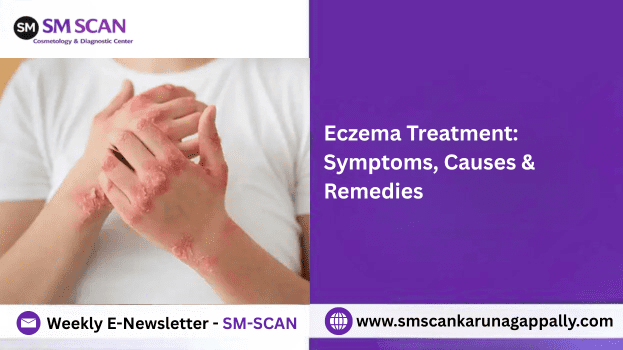
Eczema Treatment: Symptoms, Causes & Remedies
Introduction to Eczema and Skin Health
Eczema isn’t just some minor rash or patch of dry skin. It’s a chronic, inflammatory condition that can seriously affect your confidence, mess with your sleep, and complicate your day-to-day life. Kids and adults all over the world deal with it, and living in a hot, humid place like Manjeri doesn’t make things any easier. Environmental triggers, allergies, and pollution can all make eczema flare up, especially if you already have sensitive skin. If you’re in Manjeri and looking for real relief, the first thing you need is a clear understanding of what you’re dealing with.
At SM SCAN—Cosmetology & Diagnostic Center, they offer care that actually fits your skin, not a one-size-fits-all approach. They handle all sorts of skin issues tied to eczema, dermatitis, dryness, and allergies. Getting expert help matters—a lot. If you ignore eczema or try to tough it out, it usually gets worse. You could end up with infections, changes in your skin color, thick patches, or even added emotional stress.
What is eczema?
Eczema—people call it atopic dermatitis, too—is basically your skin acting up. It gets inflamed, itchy, red, dry, and irritated. That protective barrier on your skin? It’s not doing its job, so moisture slips away, and suddenly your skin lets in all sorts of stuff like allergens, bacteria, and anything else that could cause trouble.
If you’ve got eczema, flare-ups are just part of the deal. These episodes can make your skin feel insanely itchy and get cracked or swollen, and sometimes it even oozes. It’s not something you can catch from someone else, but without proper care, eczema can really mess with your daily life.
The rash can show up pretty much anywhere, but spots like the hands, neck, face, elbows, knees, ankles, and scalp take the hit more often. For babies, you’ll usually see it on their cheeks, forehead, or legs.
Common Symptoms of Eczema
1. Persistent Itching and Skin Irritation
The first thing people notice with eczema is that relentless itch. It’s not just annoying — it can feel impossible to ignore, especially when you’re trying to sleep. A lot of folks say the urge to scratch is strongest at night, and it gets even worse if the weather’s hot, you’ve been sweating, or you’ve come into contact with something you’re allergic to.
When you keep scratching, the skin takes a beating. It gets red and inflamed and sometimes even starts to break open. If this keeps happening, the skin changes — it gets thick, almost leathery, and the color deepens. The damage just piles up as the scratching goes on.
2. Dry, Flaky, and Sensitive Skin
Dry skin really stands out as a big sign of eczema. The skin gets rough, tight, and flaky—almost like it’s constantly thirsty. Because the barrier is messed up, it doesn’t hold onto moisture the way it should.
If you’ve got eczema, you probably know your skin can be hypersensitive. Everyday stuff like soaps, fragrances, detergents, or even certain fabrics sets it off. Sometimes, even supposedly gentle products feel like they’re burning or irritating your skin.
3. Redness, Swelling, and Inflammation
Eczema really shows up as inflamed skin. You’ll usually see red, swollen, and irritated patches. On darker skin, though, the color isn’t always red—it can look brown, purple, or even gray.
You might notice the inflammation gets worse when the weather shifts or after touching something you’re allergic to.
4. Cracked Skin and Bleeding
When eczema gets really bad, your skin can crack open, and it hurts. Sometimes those cracks bleed or sting—especially if they’re on your hands, feet, or near joints that move a lot. On top of that, cracked skin gives bacteria an easy way in, so you need to see a doctor to avoid infection.
5. Fluid-Filled Blisters or Oozing
Some kinds of eczema can cause small blisters that fill with fluid and sometimes leak clear liquid. You’ll usually see this happen during sudden flare-ups or allergic reactions.
If your skin starts oozing, don’t brush it off. It can mean you’re dealing with an infection or serious inflammation, so it’s worth getting checked out.
Main Causes of Eczema
1. Genetic Factors and Family History
Eczema tends to run in families. If your mom or dad has eczema, asthma, or allergies, your chances go up, too.
Genes play a big role here—they can mess with your skin’s built-in barrier, so it’s not as good at keeping out irritants and allergens. That makes inflammation a lot more likely.
2. Allergies and Environmental Triggers
A lot of eczema flare-ups start with allergens—dust mites, pollen, pet dander, mold, or even some foods. Pollution and bad air don’t help, either. In cities, the air quality can really make symptoms worse.
3. Weather Changes and Humidity
Weather’s another big trigger. Cold air dries your skin out fast, and hot, sticky days make you sweat more, which just adds to the irritation. If you live somewhere where the weather always seems to be changing, managing eczema gets tougher unless you keep up with good skincare.
4. Harsh Skincare Products
Products with alcohol, artificial fragrances, sulfates, or strong preservatives usually make eczema worse. Even washing your hands a lot with harsh soap can strip away your skin’s natural oils and cause flare-ups.
5. Stress and Emotional Triggers
Stress is another big trigger people often overlook. When you’re stressed, your body’s inflammation goes up, and that just makes itching and irritation worse. A lot of folks see their eczema flare up during exams, busy times at work, sleepless nights, or when they’re dealing with tough emotions.
Different Types of Eczema
1. Atopic Dermatitis
Atopic dermatitis is the most common type of eczema. It usually starts in childhood and sometimes sticks around into adulthood. People with this type often also deal with asthma, hay fever, or food allergies.
2. Contact Dermatitis
Contact dermatitis shows up when your skin meets something irritating or an allergen. Think cosmetics, soaps, perfumes, jewelry, latex, cleaning chemicals—those are the usual culprits. The rash only shows up where your skin touched the trigger.
3. Seborrheic Dermatitis
There’s another type that targets oily areas like the scalp, eyebrows, nose, and chest. It leads to dandruff, redness, and those classic flaky, yellowish patches.
4. Dyshidrotic Eczema
Then there’s dyshidrotic eczema. This one causes tiny, itchy blisters on your hands and feet, often brought on by sweating, allergies, or stress.
Best Eczema Treatment Options
1. Medical Creams and Prescription Treatments
Treating eczema often involves a mix of anti-inflammatory creams, moisturizers, barrier repair creams, and medications to control flare-ups.
Doctors usually start with topical corticosteroids to calm redness and swelling. If the eczema is really severe, they might switch to oral meds or immunotherapy.
At SM SCAN—Cosmetology & Diagnostic Center, they don’t just use a one-size-fits-all approach. Instead, they build a treatment plan around your skin type, how bad the flare-ups are, your age, and what sets off your symptoms.
2. Advanced Dermatology Consultation
Dermatologists figure out what’s really causing eczema by checking your skin, looking at your allergy history, and making a clinical diagnosis. Getting the right diagnosis matters since things like fungal infections, psoriasis, and other types of dermatitis can easily get mixed up—they often look pretty much the same.
If you’re dealing with eczema in Manjeri, seeing a specialist gives you access to expert care and advice. That kind of support helps you manage your skin for the long haul.
3. Moisturizing Therapy and Skin Barrier Repair
Keeping your skin hydrated is really important when managing eczema. Stick to fragrance-free moisturizers and use them a few times a day. This helps your skin heal and keeps dryness at bay. Barrier repair creams that have ceramides, hyaluronic acid, or glycerin give your skin even more support.
4. Allergy Management and Trigger Avoidance
It’s also important to know what sets off your eczema. Pay attention to possible triggers—things like certain fabrics, soaps, detergents, foods, or even allergens in your environment. Steering clear of these can make a big difference.
Natural Remedies for Eczema Relief
1. Aloe Vera and Cooling Therapy
Aloe vera gel feels cool on the skin and calms irritation, thanks to its anti-inflammatory kick. Just make sure you’re putting it on healthy, unbroken skin, and ask a doctor before you use it.
2. Coconut Oil and Skin Hydration
Virgin coconut oil is a solid go-to for dry skin. It locks in moisture and has a bit of antibacterial power, so it helps with dryness and aids healing.
3. Oatmeal Baths
Colloidal oatmeal baths are a classic for itchy or irritated skin. Kids with eczema especially find relief with this simple remedy.
Lifestyle Changes for Eczema Prevention
1. Wear Soft and Breathable Clothing
Cotton clothes are great if you have eczema. They don’t rub too much or make you sweat like other fabrics do. Synthetic or wool? Those usually just end up bothering sensitive skin even more.
2. Maintain a Gentle Skincare Routine
When it comes to washing up, stick with gentle cleansers and lukewarm water. Skip anything with a strong fragrance. You don’t need fancy stuff—just simple, fragrance-free products. And definitely don’t scrub too hard or wash too much, or you’ll make things worse.
3. Stay Hydrated and Eat Skin-Friendly Foods
Eating well matters, too. Foods rich in omega-3s—like certain fish—plus plenty of fruits, vegetables, and antioxidants can really boost your skin. And don’t forget to drink enough water. Staying hydrated helps your skin stay balanced and healthy.
Why Choose SM SCAN—Cosmetology & Diagnostic Center?
SM SCAN is where people go in Manjeri for expert skin care and dermatology. The clinic takes the time to diagnose and treat tough skin conditions like eczema, psoriasis, acne, pigmentation problems, and allergy-related issues, all with a personal touch.
When it comes to eczema treatment, folks trust SM SCAN. The doctors really listen, use up-to-date skin analysis tools, and put together care plans that fit each person’s needs. Patients come here because they want real improvement—and they get it.
Conclusion
Eczema sticks around, but you can keep it under control. Those annoying symptoms—itching, dryness, redness, and irritation—don’t have to take over your life. With the right care, your skin feels a lot better, and everyday life gets easier.
If you or your child keeps dealing with dry, irritated, or inflamed skin, don’t wait to get help. Seeing a dermatologist early makes a big difference. They’ll help you spot what’s causing the problem, calm down the symptoms, and stop flare-ups before they start.
Looking for good eczema treatment in Manjeri? Check out SM SCAN—Cosmetology & Diagnostic Center. Their team knows skin, and they’re ready to help.
FAQs
1. Is eczema curable permanently?
Eczema doesn’t really go away for good, but you can keep it under control with the right treatment and by taking care of yourself.
2. What foods trigger eczema?
A lot of people find that certain foods—like dairy, eggs, nuts, soy, or anything super processed—set their skin off.
3. Can stress cause eczema?
Stress is another big one. It ramps up inflammation in your body and can make eczema flare-ups worse.
4. Which moisturizer is best for eczema?
For soothing your skin, it’s best to stick with fragrance-free moisturizers that have ceramides and other hydrating ingredients.
5. When should I see a dermatologist for eczema?
If your eczema is really bad, keeps coming back, looks infected, or just isn’t getting better no matter what you try at home, it’s time to see a doctor.